
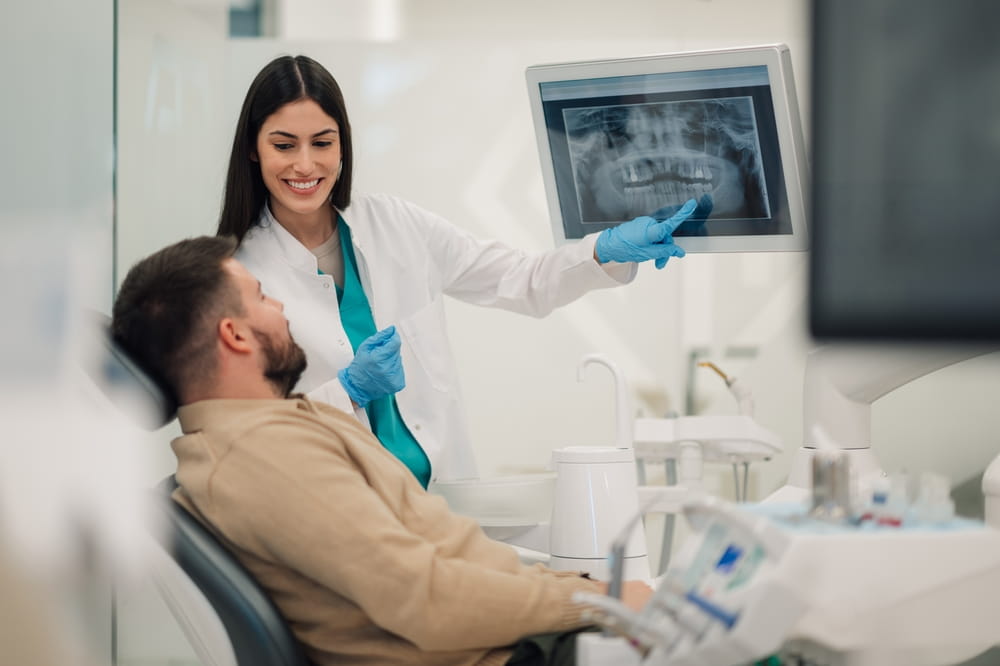
Dental technology has advanced significantly over the past several decades, making it easier for dental professionals to diagnose problems early, improve patient comfort, and help families better understand their child’s oral health. Two of the most valuable tools used in modern pediatric dentistry are digital X-rays and intraoral camera exams. These technologies provide detailed views of areas that cannot always be seen during a standard visual examination.
At All Kids Dental of Suffolk in Suffolk, VA, many parents are surprised to learn how much information can be gathered through these advanced imaging tools. While routine dental examinations remain an important part of preventive care, technology often helps identify concerns before they become larger and more expensive problems.
Children’s mouths are constantly changing as baby teeth erupt, permanent teeth develop, and jaws grow. Having accurate imaging allows dental professionals to monitor development and make informed recommendations that support long-term oral health.
Understanding Digital X-Rays and How They Work
Digital X-rays are modern dental images that use electronic sensors instead of traditional film. The images are captured quickly and displayed almost immediately on a computer screen, allowing dental professionals to evaluate teeth, roots, bone structures, and developing permanent teeth in real time.
One of the primary advantages of Digital X-rays is their ability to reveal issues that may not be visible during a visual examination. Cavities between teeth, infections beneath the gums, developmental concerns, impacted teeth, and bone abnormalities can often be detected much earlier through digital imaging.
Digital technology also allows images to be enlarged and enhanced for greater detail. This helps dental professionals identify subtle changes that could otherwise go unnoticed. Early detection often leads to simpler treatments and better outcomes for growing children.
Why Lower Radiation Exposure Matters
Many parents naturally have concerns about radiation exposure when they hear the term “X-ray.” Fortunately, digital X-ray technology uses significantly less radiation than traditional film-based systems. Modern equipment is designed to provide high-quality images while minimizing exposure.
This reduction in radiation is especially important for children because they are still developing. Pediatric dental practices follow strict guidelines regarding when X-rays are necessary and use protective measures to ensure patient safety.
The goal is not to take images unnecessarily but rather to gather important diagnostic information when it benefits the child’s oral health. In many cases, the information gained from digital imaging helps prevent more extensive treatment by identifying concerns before they progress.
How Intraoral Cameras Improve Understanding
While X-rays show what is happening beneath the surface, intraoral cameras allow families to see what dental professionals see inside the mouth. These small handheld cameras capture detailed photographs of teeth, gums, and other oral structures.
Many parents and children find intraoral camera exams helpful because they transform dental findings into something visual and easy to understand. Instead of simply hearing that a cavity is developing or that plaque is accumulating in a certain area, families can often see the condition directly on a monitor.
This visual approach can make dental visits more educational and interactive. Children may become more engaged in caring for their teeth when they can actually see areas that need improvement. Parents also gain a clearer understanding of treatment recommendations and preventive strategies.
Supporting Early Detection and Preventive Care
One of the greatest benefits of both digital X-rays and intraoral camera exams is their ability to support preventive dentistry. Identifying problems early often means treatment can be simpler, less invasive, and more comfortable for children.
For example, early signs of tooth decay can be detected before a cavity becomes large enough to cause pain. This may allow for more conservative treatment options, including preventive measures such as Fluoride Treatments or protective Dental Sealants.
Digital imaging can also help monitor the development of permanent teeth, identify crowding concerns, and evaluate whether additional treatments may be needed in the future. By catching issues early, families can often avoid more complex procedures later.
Intraoral cameras are also useful for tracking changes over time. Comparing images from previous visits allows dental professionals and parents to see improvements, monitor healing, and evaluate the effectiveness of oral hygiene habits.
Enhancing Comfort and Communication During Visits
Children sometimes feel nervous during dental appointments, particularly when they do not understand what is happening. Modern imaging technology can help reduce anxiety by making the process more transparent and educational.
Digital X-rays are typically faster and more comfortable than older film systems. Images appear within seconds, reducing waiting time and allowing appointments to proceed efficiently. Intraoral cameras are small, noninvasive, and easy to use, making them well suited for young patients.
These technologies also improve communication between dental professionals, children, and parents. When everyone can view the same images, conversations about treatment recommendations become clearer and more collaborative. Families are often more confident in decision-making when they can see the information firsthand.
Investing in a Healthier Future for Children’s Smiles
Modern dental technology plays an important role in helping children maintain healthy smiles throughout their development. Digital X-rays and intraoral camera exams provide valuable information that supports early diagnosis, preventive care, patient education, and treatment planning.
At All Kids Dental of Suffolk, families in Suffolk, VA, can benefit from understanding how these technologies contribute to comprehensive dental care. By combining routine examinations with advanced imaging tools when appropriate, dental professionals can identify concerns earlier, educate families more effectively, and help children build a strong foundation for lifelong oral health.
Resources
American Academy of Pediatric Dentistry. (2024). Guideline on Prescribing Dental Radiographs for Infants, Children, Adolescents, and Individuals with Special Health Care Needs. Pediatric Dentistry.
White, S. C., & Pharoah, M. J. (2018). Oral Radiology: Principles and Interpretation. Elsevier.
Wenzel, A. (2014). Digital Radiography and Caries Diagnosis. Dental Clinics of North America.