
For many children, a dental visit can feel unfamiliar and intimidating. New sounds, unfamiliar instruments, and concerns about discomfort may cause nervousness before an appointment even begins. While some children adapt quickly to the dental environment, others experience significant anxiety that can make routine preventive or restorative care more difficult.
Parents often worry when they see their child feeling fearful about dental treatment. Anxiety may lead to crying, resistance, difficulty sitting still, or an inability to cooperate during necessary procedures. Fortunately, modern pediatric dentistry offers several ways to help children feel more comfortable, and one of the most commonly used options is nitrous oxide, often referred to as laughing gas.
At All Kids Dental of Suffolk, families frequently seek information about ways to make dental visits less stressful for children. Understanding how nitrous oxide works can help parents make informed decisions and feel more confident about their child’s dental experience.
What Is Nitrous Oxide and How Does It Work?
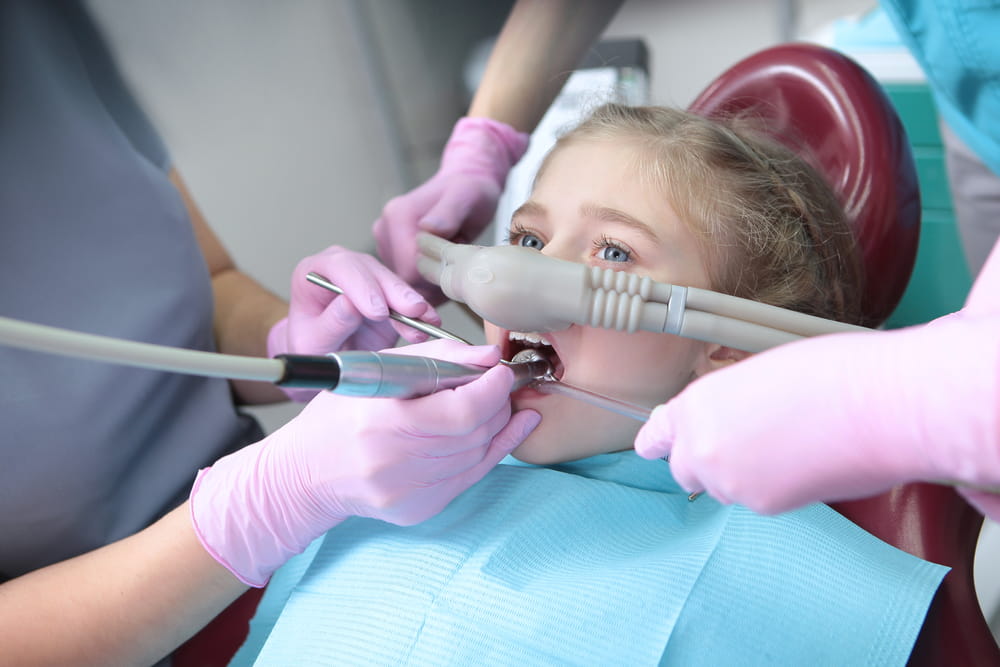
Nitrous oxide is a colorless, odorless gas that is mixed with oxygen and inhaled through a small mask placed over a child’s nose. The gas has been used safely in dentistry for decades and is considered one of the mildest forms of sedation available.
Once inhaled, nitrous oxide produces feelings of relaxation and calmness. Children remain awake and responsive throughout treatment, but they often feel less anxious and more comfortable. Some children describe feeling light, warm, or pleasantly relaxed during the procedure.
Unlike deeper forms of sedation, nitrous oxide does not put a child to sleep. Instead, it helps reduce fear and discomfort while allowing communication with the dental team. The effects begin within minutes and can be adjusted throughout the appointment to ensure the child remains comfortable.
For children who require more extensive treatment or cannot tolerate care with mild sedation alone, other options such as General Anesthesia may sometimes be considered based on individual circumstances and professional recommendations.
Benefits of Laughing Gas for Pediatric Dental Care
One reason nitrous oxide remains so popular in pediatric dentistry is its combination of effectiveness and convenience. It can help children receive needed treatment while reducing emotional stress associated with dental visits.
Some of the most common benefits include:
- Reduced dental anxiety and fear
- Increased comfort during treatment
- Improved ability to sit still during procedures
- Fast onset of relaxation effects
- Quick recovery after treatment
- No needles required for administration
- Ability to remain awake and responsive
Many children who have positive experiences with nitrous oxide develop greater confidence during future dental appointments. This can contribute to better long-term oral health by reducing fear-based avoidance of dental care.
Nitrous oxide may be particularly helpful during procedures such as restorative treatment, placement of Tooth-Colored Fillings for Children, certain preventive treatments, or situations where a child experiences heightened anxiety despite reassurance.
What Parents Can Expect During a Nitrous Oxide Appointment
The process of administering nitrous oxide is typically simple and straightforward. Before treatment begins, the dental team reviews the child’s health history and determines whether nitrous oxide is an appropriate option.
A small mask is placed comfortably over the child’s nose. The child breathes normally while the mixture of oxygen and nitrous oxide is delivered. Within a few minutes, the calming effects begin. Throughout treatment, the dental team continuously monitors the child’s comfort and adjusts the concentration if necessary.
After the procedure is complete, pure oxygen is administered through the mask for several minutes. This helps clear the nitrous oxide from the body quickly. Because the gas leaves the system rapidly, most children return to their normal activities shortly after the appointment.
Parents are often surprised by how quickly children recover. Unlike some forms of sedation that may require extended observation periods, nitrous oxide generally allows for a smooth transition back to regular daily routines.
Who May Benefit From Laughing Gas?
Not every child requires sedation during dental treatment. However, nitrous oxide may be beneficial for children who experience anxiety, have strong gag reflexes, require longer procedures, or struggle to remain comfortable during treatment.
Children with special healthcare needs may also benefit from sedation techniques that help create a more positive treatment experience. In some situations, pediatric dentists may combine behavior guidance techniques with accommodations for children receiving care through specialized programs such as Special Needs dentistry services.
The decision to use nitrous oxide is always individualized. Factors such as age, medical history, treatment needs, and anxiety levels are considered when determining whether laughing gas is appropriate.
Parents should discuss any concerns they have with their dental provider so that the most suitable approach can be selected for their child.
Building Positive Dental Experiences for Life
A positive dental experience during childhood can influence oral health habits for years to come. When children feel safe, comfortable, and supported during treatment, they are more likely to maintain regular dental visits and develop healthy attitudes toward oral healthcare.
Nitrous oxide has become an important tool for helping children overcome fear and receive necessary dental treatment with greater ease. By reducing anxiety while maintaining safety and awareness, it allows many young patients to complete procedures comfortably and confidently.
Families in Suffolk, VA, often seek educational resources about pediatric dental care and sedation options. At All Kids Dental of Suffolk, helping parents understand treatments such as Laughing Gas can support informed decisions and encourage positive dental experiences that benefit children throughout their lives.
Resources
Clark, M. S., & Brunick, A. L. (2015). Handbook of Nitrous Oxide and Oxygen Sedation. Elsevier.
American Academy of Pediatric Dentistry. (2024). Behavior Guidance for the Pediatric Dental Patient. Pediatric Dentistry.
Wilson, K. E., Girdler, N. M., & Welbury, R. R. (2017). A Review of Nitrous Oxide Sedation in Pediatric Dentistry. International Journal of Paediatric Dentistry.