
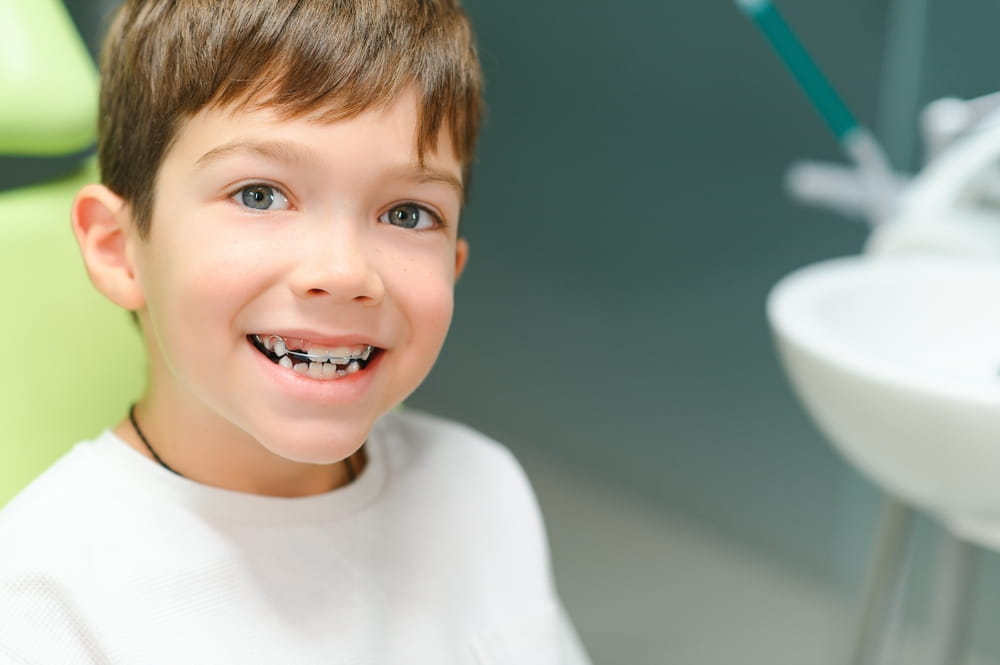
Orthodontic treatment does more than improve the appearance of a child’s smile. Properly aligned teeth can contribute to better oral hygiene, improved chewing function, clearer speech, and reduced wear on teeth over time. Because children’s jaws and teeth are still developing, early evaluation can help identify issues before they become more complex.
Many parents wonder when orthodontic treatment should begin. While every child is different, dental professionals often recommend monitoring dental development throughout childhood to identify concerns such as crowding, spacing problems, bite misalignment, or jaw growth issues. Early identification can sometimes simplify future treatment and improve long-term outcomes.
At All Kids Dental of Suffolk, families often seek educational information about orthodontic options available for children. Two of the most common treatments are traditional braces and clear aligners. Understanding the differences between these approaches can help parents make informed decisions when orthodontic care becomes necessary.
Understanding Traditional Braces
Traditional braces have been used for decades and remain one of the most effective orthodontic treatment options available. Braces consist of brackets attached to the teeth and connected by wires that gradually move teeth into their desired positions.
One of the biggest advantages of braces is their ability to treat a wide variety of orthodontic concerns. They can effectively address severe crowding, significant bite issues, rotated teeth, and complex alignment problems. Because braces remain attached to the teeth throughout treatment, they continue working regardless of a child’s daily habits or memory.
Modern braces are often smaller and more comfortable than earlier versions. Regular adjustment appointments allow orthodontic professionals to monitor progress and make necessary changes. While braces are highly effective, they do require attention to oral hygiene and may involve temporary dietary restrictions to prevent damage to brackets and wires.
What Are Clear Aligners?
Clear aligners are removable orthodontic trays made from transparent plastic. Each set of aligners is designed to gradually move teeth into improved positions over time. Children wear the aligners for most of the day and switch to new sets according to their treatment plan.
Many families are attracted to clear aligners because they are less noticeable than braces. The transparent appearance allows children to straighten their teeth with minimal impact on their smile during treatment. Since aligners are removable, children can continue eating most of their favorite foods without worrying about damaging brackets or wires.
Clear aligners may also simplify oral hygiene because children can remove them while brushing and flossing. However, successful treatment depends heavily on compliance. Aligners must be worn for the recommended number of hours each day, and children who frequently remove them may experience slower progress or less predictable results.
Comparing Braces and Clear Aligners
Both treatment options can be effective, but they offer different advantages and challenges. The best choice often depends on the child’s specific orthodontic needs, maturity level, and lifestyle.
Some key differences include:
- Braces remain fixed to the teeth, while aligners are removable.
- Braces can often treat more complex orthodontic issues.
- Clear aligners are less noticeable during treatment.
- Aligners require consistent wear to achieve desired results.
- Braces eliminate concerns about losing or forgetting appliances.
- Clear aligners allow easier brushing, flossing, and eating.
- Treatment recommendations vary based on each child’s individual needs.
Parents should remember that treatment effectiveness depends not only on the appliance itself but also on following professional recommendations throughout the orthodontic process.
Factors That Influence Treatment Decisions
Selecting between braces and clear aligners involves evaluating several factors. Age, dental development, treatment goals, and the complexity of alignment issues all play important roles in determining the most appropriate option.
Some children are excellent candidates for clear aligners because they are responsible enough to wear them consistently and care for them properly. Others may benefit more from traditional braces because the fixed appliance ensures continuous treatment regardless of daily habits.
Dental professionals also consider oral health before beginning orthodontic treatment. Preventive care, including regular examinations, Fluoride Treatments, and good brushing habits, helps create a healthy foundation for successful orthodontic outcomes.
Supporting Oral Health During Orthodontic Treatment
Regardless of which orthodontic option is chosen, maintaining excellent oral hygiene remains essential. Braces can create additional areas where plaque and food particles accumulate, while aligners require proper cleaning to prevent bacterial buildup.
Children undergoing orthodontic treatment should continue routine dental visits and preventive care. Professional evaluations help identify potential concerns early and ensure that teeth and gums remain healthy throughout treatment.
Parents can encourage success by helping children maintain consistent oral hygiene habits and follow treatment instructions carefully. Education, supervision, and positive reinforcement often contribute significantly to successful orthodontic outcomes.
Looking Ahead to a Healthier Smile
Orthodontic treatment represents an investment in a child’s long-term oral health and confidence. Both traditional braces and clear aligners offer valuable benefits, and each can produce excellent results when appropriately selected and properly managed.
Understanding the strengths and limitations of each treatment option allows families to make informed decisions that align with their child’s needs. While every orthodontic journey is unique, the ultimate goal remains the same: creating a healthy, functional, and confident smile that can last a lifetime.
For families in Suffolk, VA, learning about orthodontic treatment options is an important step in supporting children’s oral health. At All Kids Dental of Suffolk, helping parents understand available treatment approaches contributes to better decision-making and healthier smiles for future generations.
Resources
American Association of Orthodontists. (2024). Orthodontic Treatment for Children and Adolescents. AAO Publications.
Proffit, W. R., Fields, H. W., Larson, B., & Sarver, D. M. (2018). Contemporary Orthodontics. Elsevier.
Papadimitriou, A., Mousoulea, S., Gkantidis, N., & Kloukos, D. (2018). Clinical Effectiveness of Invisalign Orthodontic Treatment: A Systematic Review. Progress in Orthodontics.