
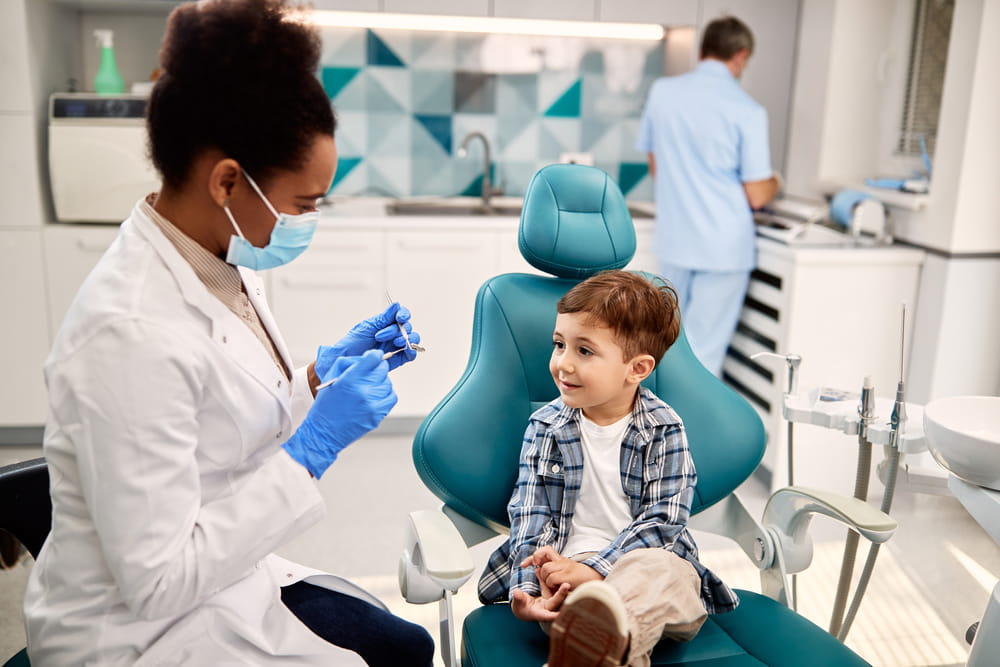
Pediatric dentistry is a specialized area of dental care focused on the oral health of infants, children, and adolescents. It addresses the unique dental needs that arise as children grow, from the eruption of the first tooth through the development of permanent teeth. Families in Suffolk, VA often look to practices like All Kids Dental of Suffolk as educational resources to better understand how early dental care supports overall childhood development and long-term oral wellness. Pediatric dentistry emphasizes prevention, early diagnosis, and age-appropriate treatment to help children maintain healthy smiles as they grow.
Unlike adult dentistry, pediatric care considers behavioral development, growth patterns, and the emotional comfort of young patients. Children’s mouths change rapidly, and regular dental monitoring helps identify issues such as early decay, bite alignment concerns, or habits like thumb-sucking that can affect oral structures. By focusing on education and preventive care, pediatric dentistry aims to reduce the risk of dental anxiety and establish positive dental habits that last into adulthood.
Why Early Oral Health Matters
Building Healthy Habits from the Start
Early oral health plays a critical role in a child’s overall well-being. Baby teeth help children chew properly, speak clearly, and hold space for permanent teeth. When oral care begins early, children are more likely to develop healthy routines such as brushing twice daily, flossingattach the important points with bullet points and keep the tone educational.
Establishing dental visits early also helps detect potential concerns before they become complex. Routine checkups, including early assessments and preventive care, allow parents to receive guidance on nutrition, oral hygiene, and habits that may affect dental development. Preventive approaches such as fluoride treatments and age-appropriate evaluations support strong enamel and help reduce the likelihood of cavities during childhood.
Preventive and Diagnostic Approaches in Pediatric Dentistry
Preventive care is central to pediatric dentistry. Tools like digital X-rays allow dental professionals to monitor tooth development, detect hidden decay, and evaluate jaw growth while minimizing radiation exposure. Early diagnostic insights make it easier to plan timely interventions and avoid more extensive treatment later in life.
Additional preventive measures may include fluoride treatments to strengthen enamel and reduce cavity risk, as well as education on daily oral hygiene. For very young children, infant exams provide an opportunity to assess oral development, identify early risk factors, and guide parents on caring for emerging teeth. These proactive strategies support healthier outcomes as children grow.
Supporting Comfort, Safety, and Special Dental Needs
Creating Positive Dental Experiences
A child’s comfort during dental care is essential for long-term oral health. Pediatric dentistry often incorporates behavior guidance techniques and, when appropriate, options such as laughing gas to help children feel relaxed during visits. In more complex situations, general anesthesia may be used to ensure safe and comfortable care while allowing necessary treatment to be completed efficiently.
Pediatric dental education also recognizes that every child is unique. Some children require specialized approaches due to developmental, physical, or behavioral considerations. Educational resources around special needs dentistry emphasize individualized care plans that prioritize safety, communication, and comfort. Understanding these options helps families make informed decisions and supports inclusive oral health care for all children.
Common Pediatric Dental Treatments and Interventions
As children grow, they may require restorative care due to cavities or dental injuries. Tooth-colored fillings and restorations are commonly used to repair damaged teeth while maintaining a natural appearance. In cases of early tooth loss, space maintainers can help preserve proper alignment by holding space for permanent teeth.
Other interventions, such as frenectomy procedures, may be recommended when oral tissue restricts normal movement and affects feeding, speech, or oral development. Emergency and trauma care education is also important, as accidents can happen during childhood. Knowing how pediatric dental teams address injuries helps families respond quickly and effectively when unexpected situations arise.
Lifelong Benefits of Pediatric Dental Care
The long-term benefits of pediatric dentistry extend far beyond childhood. Children who receive consistent, preventive-focused dental care are more likely to enter adulthood with healthier teeth, fewer dental complications, and reduced anxiety about dental visits. Education provided through pediatric dentistry empowers families to make informed choices about diet, hygiene, and routine care.
By viewing pediatric dentistry as an ongoing partnership in a child’s development, families can better appreciate the role oral health plays in overall wellness. As emphasized by educational practices like All Kids Dental of Suffolk, investing in early oral health lays the foundation for confident smiles and healthier futures, benefiting children throughout every stage of life.
Sources
American Academy of Pediatric Dentistry. (2023). Guideline on infant oral health care. Pediatric Dentistry.
Centers for Disease Control and Prevention. (2022). Children’s oral health. CDC Oral Health Division.
U.S. Department of Health and Human Services. (2021). Oral health in America: Advances and challenges. National Institute of Dental and Craniofacial Research.