
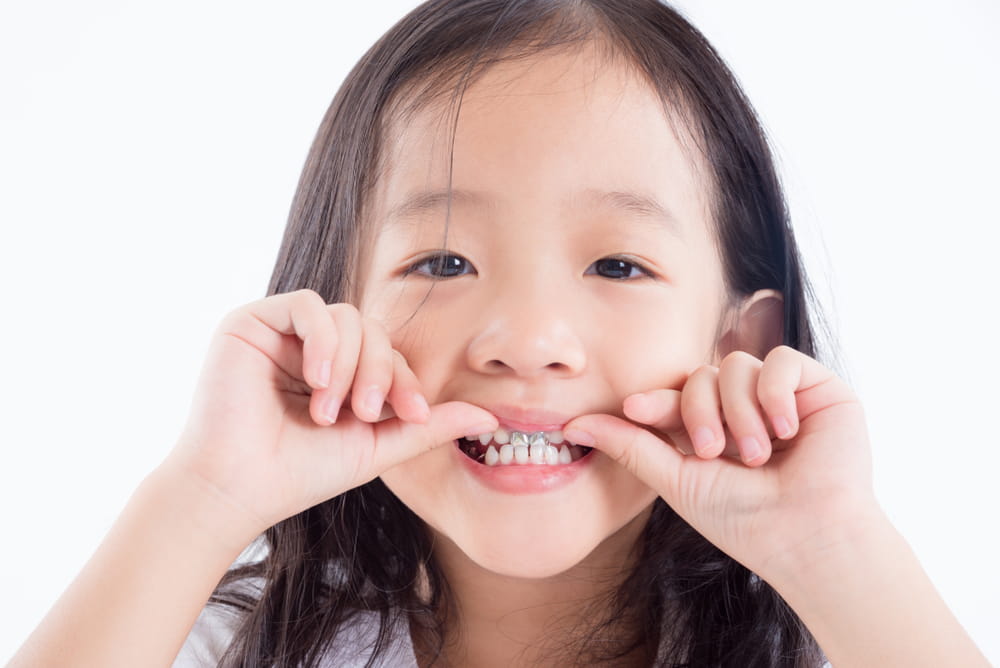
Dental sealants are a preventive dental treatment designed to protect children’s teeth from cavities, particularly in the back molars where decay most often develops. These teeth have deep grooves and pits that can easily trap food particles and bacteria, even with regular brushing. Families in Suffolk, VA often turn to educational resources like All Kids Dental of Suffolk to better understand how sealants work and why they are an important part of children’s oral health care.
Sealants are typically made from a thin, protective resin that is applied to the chewing surfaces of molars. Once in place, the material hardens and forms a barrier that helps block bacteria and plaque from settling into hard-to-clean areas. This simple preventive approach can significantly reduce the risk of cavities during childhood and adolescence.
Why Children Are More Prone to Cavities
The Role of Tooth Anatomy and Habits
Children are especially vulnerable to cavities because newly erupted teeth are still developing strength and mineral content. The chewing surfaces of molars have natural grooves that are difficult to clean thoroughly, particularly for younger children who are still learning proper brushing techniques. Even with good oral hygiene, these areas can remain susceptible to decay.
Dietary habits also play a role in cavity risk. Frequent snacking, sugary drinks, and carbohydrate-rich foods can increase acid production in the mouth, weakening enamel over time. Sealants provide an added layer of protection by covering vulnerable surfaces and reducing direct exposure to cavity-causing bacteria.
How Dental Sealants Protect Teeth
Dental sealants work by creating a smooth surface over the grooves of the teeth, making them easier to clean and less likely to trap debris. Once applied, sealants act as a physical shield, preventing food particles and bacteria from reaching the enamel underneath. This barrier helps preserve the tooth structure during the years when children are most at risk for cavities.
Sealants are particularly effective because they address areas where toothbrush bristles may not reach. Research has shown that sealants can reduce the risk of decay in molars for several years when properly maintained. Combined with regular brushing, flossing, and fluoride exposure, sealants contribute to a comprehensive preventive care strategy.
When Sealants Are Typically Recommended
Sealants are most often recommended when permanent molars first erupt, usually between the ages of six and twelve. Applying sealants soon after eruption helps protect teeth before decay has a chance to develop. In some cases, sealants may also be considered for primary teeth if a child is at higher risk for cavities.
Dental evaluations often include tools such as digital X-rays to assess tooth development and identify areas that may benefit from preventive treatments. Sealants are typically applied quickly and comfortably, making them well-suited for children who may feel anxious about longer dental procedures.
Sealants as Part of Preventive Dental Care
Supporting Long-Term Oral Health
While sealants are highly effective, they are not a replacement for daily oral hygiene. Brushing twice a day, flossing, and receiving fluoride treatments all work together to strengthen enamel and prevent decay. Sealants enhance these efforts by protecting the most vulnerable surfaces of the teeth.
Regular dental checkups allow sealants to be monitored for wear or damage over time. If needed, they can be repaired or replaced to maintain protection. This ongoing preventive approach helps reduce the need for restorative treatments such as fillings and supports healthier smiles as children grow.
Lifelong Benefits of Early Protection
The benefits of dental sealants extend beyond childhood. By preventing cavities early, sealants help preserve natural tooth structure and reduce the likelihood of dental anxiety associated with restorative procedures. Children who avoid early decay are more likely to maintain better oral health into adulthood.
Understanding the role of sealants empowers parents to make informed decisions about preventive care. As emphasized by All Kids Dental of Suffolk, protecting children’s teeth early supports confident smiles, improved comfort, and a stronger foundation for lifelong oral health.
Sources
American Academy of Pediatric Dentistry. (2023). Guideline on sealants. Pediatric Dentistry.
Centers for Disease Control and Prevention. (2022). Dental sealants for preventing cavities. CDC Oral Health Division.
National Institute of Dental and Craniofacial Research. (2021). Tooth decay in children. U.S. Department of Health and Human Services.