
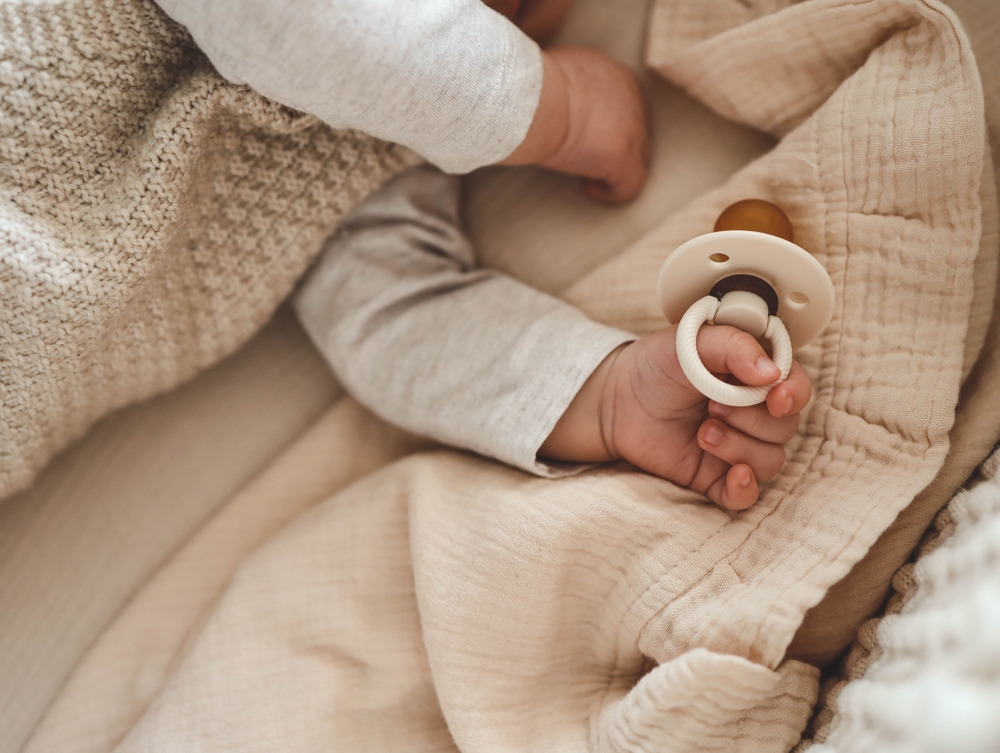
As parents, we’re always looking for ways to soothe our babies and help them feel comfortable. One of the most commonly used tools for calming a fussy baby is the pacifier. While pacifiers can offer relief for both infants and parents alike, they also come with some potential downsides—especially when it comes to oral health. If you’ve been considering whether or not to introduce a pacifier, here’s an honest look at the pros and cons of pacifier use and how it can affect your child’s smile and dental health.
The Pros of Using Pacifiers
1. Soothing and Comforting for Babies
The primary benefit of pacifiers is their ability to comfort babies. Sucking is a natural reflex that infants have from birth, and using a pacifier can help satisfy this instinct. This action can be incredibly soothing for babies, especially during times of distress or when they are trying to fall asleep. A pacifier can help your baby calm down without needing to feed, which can be helpful when they are simply seeking comfort rather than nourishment.
2. Helps Babies Self-Soothe
Pacifiers are great tools for helping babies learn how to self-soothe. In the early months, babies may not yet have developed the ability to comfort themselves without help. A pacifier can provide them with an immediate way to calm down and feel secure, which can help reduce the frequency of crying and frustration for both the baby and parents.
3. Increased Safety
Some studies have suggested that pacifier use during sleep may reduce the risk of Sudden Infant Death Syndrome (SIDS). The American Academy of Pediatrics (AAP) recommends offering a pacifier at nap time and bedtime for babies under 1 year of age. The exact reason why pacifiers may reduce the risk of SIDS is not entirely clear, but it’s thought that the pacifier might help keep the baby’s airway open and prevent them from rolling into a dangerous position while sleeping.
4. Distraction During Medical Procedures
Pacifiers can serve as a great distraction during medical procedures such as vaccinations or doctor visits. The sucking motion can help comfort and calm your baby during these stressful situations, making the experience a little less traumatic for both of you.
The Cons of Using Pacifiers
1. Risk of Dental Problems
While pacifiers can offer comfort, prolonged use can impact your child’s dental health. One of the biggest concerns with pacifier use is that it can affect the development of your child’s teeth and jaw. Prolonged or excessive pacifier use, especially after the age of 2, can lead to dental issues such as:
- Open Bite: This occurs when the upper and lower teeth don’t meet properly due to the constant pressure of the pacifier. This can make it difficult for your child to bite or chew properly.
- Misaligned Teeth: Over time, pacifier use can push the front teeth outward, resulting in crooked or misaligned teeth.
- Palate Deformation: The constant pressure of the pacifier on the roof of the mouth can also lead to a narrow or high palate, which may require orthodontic treatment later in life.
To minimize the risk of these dental issues, it’s important to limit pacifier use as your child gets older and to avoid using pacifiers as a long-term solution.
2. Dependency on the Pacifier
While pacifiers can help babies self-soothe, they can also create a dependency. Some children may become reliant on their pacifier to fall asleep or calm down, and this can make it difficult to break the habit later on. If your child becomes attached to their pacifier, they may struggle with giving it up, which can lead to additional challenges during the transition away from pacifier use.
3. Increased Risk of Ear Infections
Studies have shown that children who use pacifiers frequently may be at a higher risk of developing ear infections. The sucking motion associated with pacifier use can contribute to fluid buildup in the middle ear, which may increase the likelihood of an infection. This risk tends to be higher in children who use pacifiers for extended periods or after the age of 1.
4. Difficulty with Speech Development
Another potential drawback of pacifier use is its impact on speech development. Prolonged use of a pacifier can interfere with the normal development of speech sounds. If a child consistently uses a pacifier, it may prevent them from engaging in important oral motor activities, such as speaking and making different sounds. Over time, this can contribute to speech delays or articulation issues. It’s important to encourage your child to interact with their environment and practice their speech, which may be hindered by prolonged pacifier use.
Finding a Balance: How to Use a Pacifier Safely
While there are both pros and cons to pacifier use, the key is finding a balance and ensuring that it is used appropriately. Here are some helpful tips for using pacifiers safely:
- Limit use as your child grows: It’s important to gradually reduce pacifier use as your child gets older, particularly after their first year. The longer your child uses a pacifier, the greater the risk of dental and developmental issues.
- Encourage other soothing methods: Help your child learn to self-soothe without relying on a pacifier by introducing other comforting methods, such as a favorite blanket, stuffed animal, or calming lullabies.
- Clean and maintain pacifiers: Make sure to keep pacifiers clean and replace them regularly to avoid any buildup of germs or bacteria.
- Don’t use pacifiers as a constant sleep aid: Instead of using a pacifier every time your child needs help falling asleep, try to let them learn to fall asleep on their own from an early age.
When to Say Goodbye to the Pacifier
Most experts recommend gradually weaning your child off their pacifier by the age of 2 to avoid potential dental or speech development problems. While it may be challenging to take the pacifier away, it’s an important step toward helping your child develop healthy habits. Consider making the process fun by celebrating the milestone and offering rewards or praise when your child successfully gives up their pacifier.
All Kids Dental Is The Best Choice For Your Child’s Smile
If you are searching for the best dental care for your children in Suffolk and the surrounding Virginia neighborhoods, look no further than All Kids Dental. All Kids Dental has the expertise to live up to its name and make all kids feel comfortable and show off healthy smiles. From infant exams, to tooth-colored fillings and sedation dentistry, to creating an individualized dental plan for children with special needs, All Kids Dental can do it all. For pediatric dental expertise, call and schedule a visit with Dr. Joe and Dr. Brett today!